+353 83 835 6581
+353 83 835 6581

Success Stories

Real results from Ireland's non-alcoholic beverage innovators

Learning from Experience

The journey of creating and launching a non-alcoholic beverage in Ireland presents unique challenges and opportunities. While each entrepreneur's path is different, there are valuable lessons to be learned from those who have successfully navigated this landscape.

The following case studies highlight real outcomes and practical insights from our work with non-alcoholic beverage producers across Ireland. Rather than focusing on individual personalities or brands, we emphasize the processes, decisions, and strategies that contributed to successful outcomes.

These stories illustrate how entrepreneurs have overcome common challenges through thoughtful formulation, effective safety protocols, efficient operations, and strategic market positioning. By sharing these experiences, we hope to provide practical guidance that helps you avoid common pitfalls while building on proven approaches.

Each case study includes:

  • The initial challenge or opportunity identified
  • The strategic approach taken to address it
  • The specific processes and methods applied
  • The measurable results achieved
  • Key lessons learned that can benefit other entrepreneurs

While we've anonymized these stories to protect confidential business information, the insights they contain represent real-world experiences and outcomes in Ireland's evolving non-alcoholic beverage market.
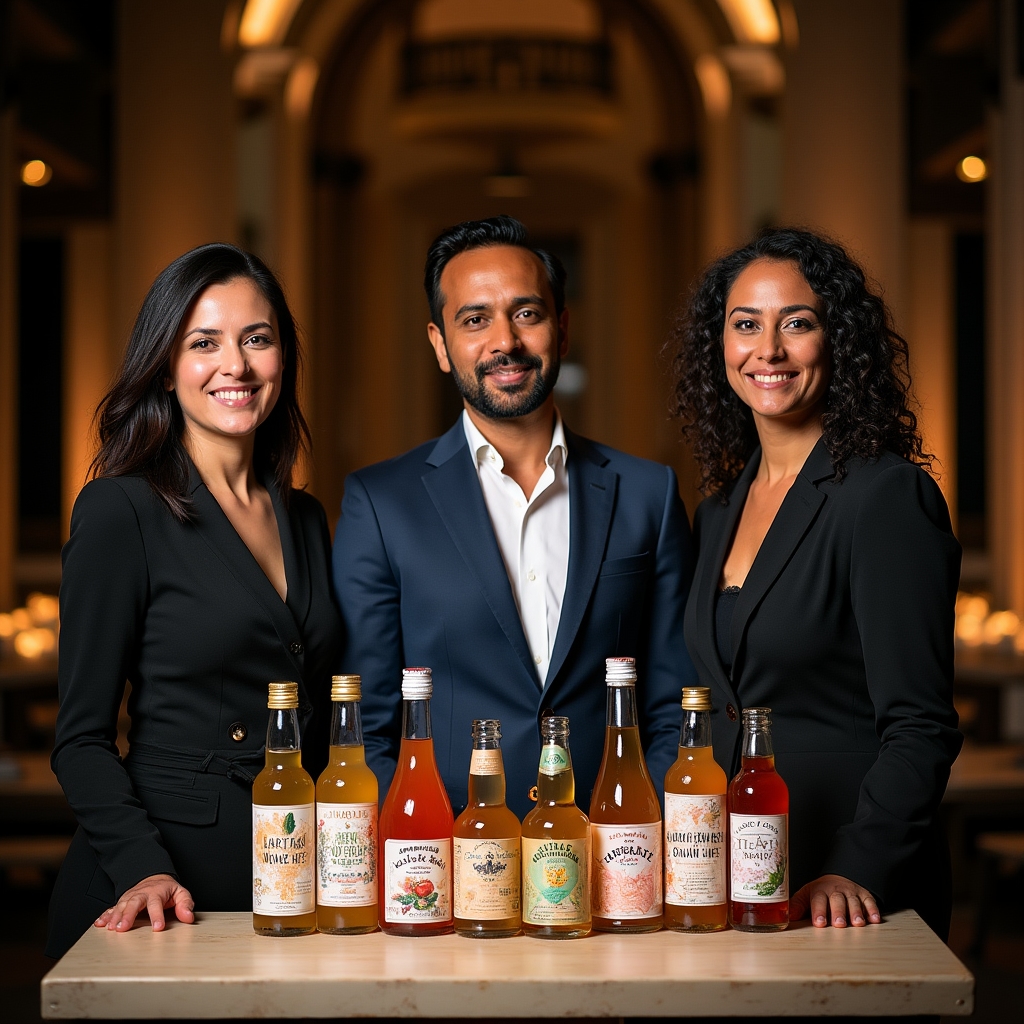
Botanical Infusion Non-Alcoholic Beverage Case Study

Case Study: Botanical Infusion Breakthrough

Challenge: A Dublin-based beverage startup aimed to create a premium botanical infusion that would deliver complex flavor without alcohol, while achieving a 12-month shelf life without artificial preservatives. Initial formulations showed promising flavor but rapid deterioration after just 4-6 weeks.

Approach: We implemented a systematic reformulation strategy focused on natural preservation techniques and process optimization while maintaining the signature flavor profile.

Key Actions:

  • Conducted comprehensive stability testing to identify specific deterioration mechanisms (oxidation, microbial growth, and color instability)
  • Developed natural antioxidant blend using complementary botanical extracts that enhanced rather than masked the primary flavor profile
  • Optimized pH and thermal processing parameters to ensure microbial stability while preserving delicate flavor compounds
  • Redesigned the production process to minimize oxygen exposure during critical stages
  • Evaluated alternative packaging options, ultimately selecting a specialized glass bottle with oxygen barrier properties
12+
Months Shelf Life
95%
Flavor Retention
0
Artificial Additives

Results:

The reformulated product achieved a verified 12+ month shelf life while maintaining its premium positioning as a clean-label product. The enhanced stability enabled wider distribution across Ireland, including export to Northern Ireland and Scotland. Production efficiency improved by 35% through process optimization, reducing costs while enhancing quality consistency.

Lessons Learned:

  • Preservation strategy should be integrated into initial formulation rather than added as an afterthought
  • Natural preservation often requires a multi-hurdle approach rather than a single solution
  • Process parameters can be as important as ingredients in achieving stability
  • Packaging selection should be considered an integral part of product development, not just a marketing decision
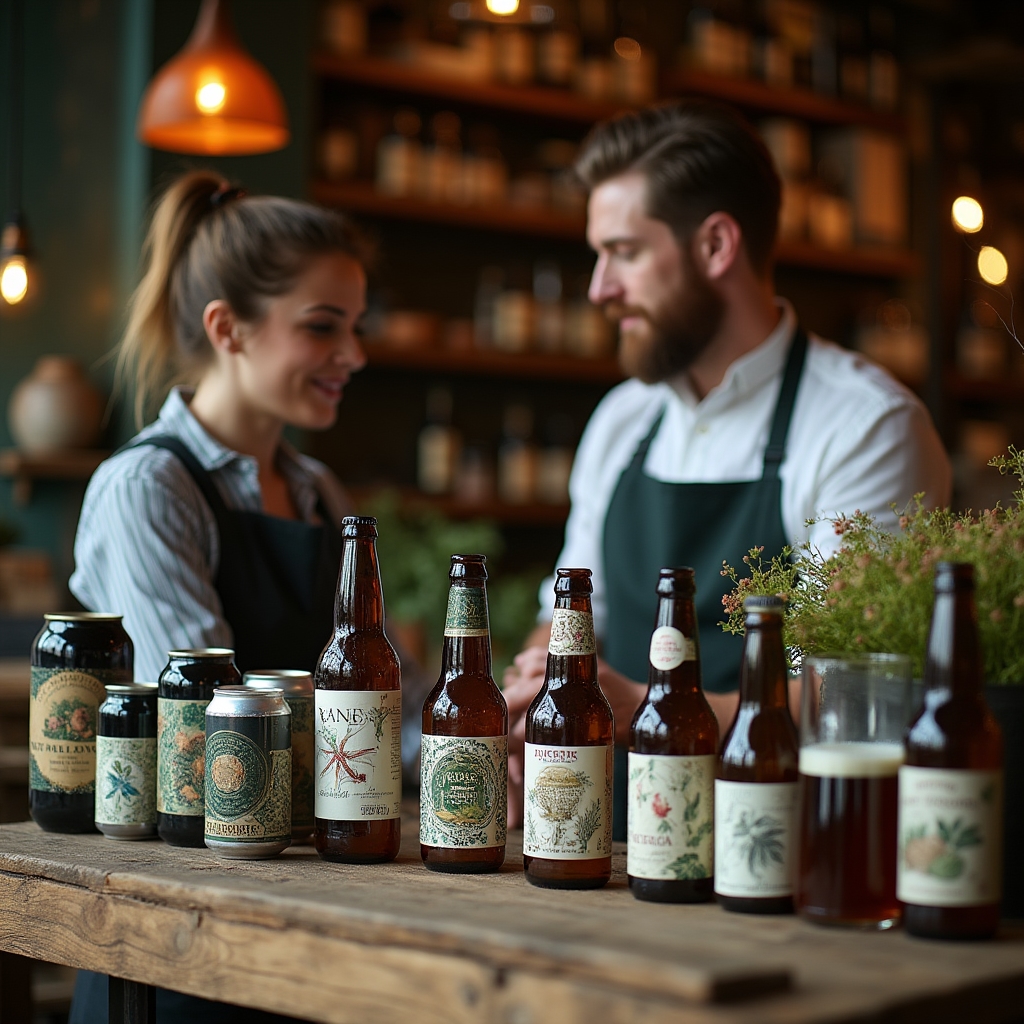
Craft Sparkling Beverage Scale-Up Case Study

Case Study: Craft Sparkling Beverage Scale-Up

Challenge: A Cork-based producer of craft sparkling beverages had developed popular products that were selling well in local markets. However, attempts to increase production volume to meet growing demand resulted in inconsistent quality, carbonation issues, and inefficient operations that threatened profitability.

Approach: We implemented a structured scale-up methodology that maintained product integrity while significantly improving operational efficiency.

Key Actions:

  • Conducted detailed process mapping to identify critical control points and bottlenecks in the existing production system
  • Developed standardized batch records with clear specifications and acceptable ranges for key parameters
  • Redesigned the production layout to improve workflow and reduce product transfer steps
  • Implemented improved carbonation equipment and protocols to ensure consistent bubble size and retention
  • Created a structured quality control system with in-process checks and finished product verification
  • Developed staff training programs focused on critical operations and quality awareness
300%
Production Capacity
28%
Cost Reduction
<1%
Quality Deviations

Results:

The optimized production system increased capacity by 300% while reducing per-unit production costs by 28%. Product consistency improved dramatically, with quality deviation rates below 1%. The enhanced capacity enabled entry into major retail chains across Ireland, growing market share by 215% within 18 months while maintaining premium positioning and pricing.
Lessons Learned:

  • Scale-up requires systematic process validation rather than simply increasing batch sizes
  • Documentation and standardization are essential for maintaining consistency at higher volumes
  • Strategic equipment investment should target critical quality parameters rather than just throughput
  • Staff training becomes increasingly important as production volumes grow
  • Quality control systems must evolve to handle increased testing volume without becoming bottlenecks
Market Repositioning for Non-Alcoholic Alternative Case Study

Case Study: Market Repositioning for Non-Alcoholic Alternative

Challenge: A Galway-based producer had developed a sophisticated non-alcoholic alternative to a traditional alcoholic beverage. Despite excellent product quality, initial market traction was disappointing, with low repeat purchase rates and limited distribution beyond specialty stores.

Approach: We conducted comprehensive market research that revealed fundamental positioning and communication issues, leading to a strategic repositioning that dramatically improved market performance.

Key Actions:

  • Conducted consumer research that identified a misalignment between product attributes and target consumer expectations
  • Refined the product positioning to focus on specific consumption occasions rather than general alcohol replacement
  • Redesigned packaging to better communicate premium quality and usage occasion
  • Developed channel-specific strategies for on-trade and off-trade distribution
  • Created targeted educational materials for bartenders and retail staff to support appropriate recommendation and serving
  • Implemented a focused sampling program in high-potential venues
175%
Sales Growth
65%
Repeat Purchase
85+
New Stockists

Results:

The repositioned product achieved 175% sales growth within 12 months, with repeat purchase rates increasing from 22% to 65%. Distribution expanded to include 85+ new stockists across Ireland, including premium on-trade accounts that had previously shown no interest. The product successfully established a new price point 35% higher than the category average, improving margins while reinforcing premium positioning.

Lessons Learned:

  • Product quality alone doesn't ensure market success—positioning and communication are equally critical
  • Non-alcoholic beverages benefit from occasion-specific positioning rather than generic alcohol replacement messaging
  • Channel strategies should be tailored to the specific dynamics of on-trade and off-trade environments
  • Trade education is essential for products that require specific serving recommendations or pairings
  • Premium non-alcoholic products can command significant price premiums when properly positioned

What Worked: Proven Approaches

Effective strategies from successful non-alcoholic beverage launches

Product Development Success Factors

Our work with numerous non-alcoholic beverage entrepreneurs across Ireland has revealed consistent patterns in successful product development approaches. These proven strategies have repeatedly demonstrated their effectiveness in creating products that excel in both sensory appeal and commercial viability.

Formulation Excellence:

  • Layered Flavor Building: Using multiple extraction methods and complementary ingredients to create complexity that compensates for alcohol's absence
  • Mouthfeel Engineering: Strategically incorporating natural texture enhancers (fruit pectins, specific hydrocolloids, brewing techniques) to create satisfying body and structure
  • Integrated Preservation: Developing multi-hurdle preservation strategies that work synergistically with flavor components rather than competing with them
  • Sensory-Driven Development: Utilizing structured sensory evaluation throughout development rather than relying solely on technical specifications

Operational Efficiency:

  • Strategic Equipment Selection: Investing in specific capabilities that directly impact critical quality attributes rather than general-purpose equipment
  • Modular Scale-Up: Implementing phased capacity increases that align with actual market growth rather than speculative forecasts
  • Supplier Partnerships: Developing collaborative relationships with key ingredient suppliers to ensure consistency and innovation support
  • Focused Documentation: Creating streamlined record-keeping systems that capture critical information without excessive administrative burden

Market Success:

  • Occasion-Based Positioning: Defining specific consumption occasions and need states rather than general alcohol replacement messaging
  • Channel-Specific Strategies: Developing distinct approaches for on-trade and off-trade environments, with appropriate packaging, pricing, and support materials
  • Serving Guidance: Creating clear recommendations for optimal consumption (glassware, temperature, garnishes, food pairings) that enhance the experience
  • Authentic Storytelling: Communicating genuine product origins, ingredient sourcing, and development processes rather than relying on marketing clichĂ©s

These approaches have consistently contributed to successful non-alcoholic beverage launches in Ireland's competitive market. While each product requires its own specific strategy, these foundational elements provide a strong starting point for entrepreneurs looking to create distinctive offerings that resonate with consumers.

Lessons Learned: Practical Insights

Valuable guidance from Ireland's non-alcoholic beverage sector

Avoiding Common Pitfalls

The path to success in Ireland's non-alcoholic beverage market contains potential obstacles that have challenged many entrepreneurs. By understanding these common pitfalls and how to navigate them, you can save valuable time, resources, and frustration in your own journey.

Product Development Insights:

  • Flavor Complexity Gap: Successful products acknowledge that removing alcohol creates a flavor gap that must be actively addressed through complementary ingredients and techniques, not simply by increasing sweetness
  • Preservation Planning: Building preservation strategy into initial formulation rather than as an afterthought prevents major reformulation challenges later in development
  • Realistic Shelf-Life: Setting appropriate stability targets based on actual distribution needs rather than arbitrary benchmarks leads to more efficient development and appropriate investment
  • Packaging Integration: Considering packaging interaction from the beginning of formulation prevents stability surprises when scaling to production

Operational Wisdom:

  • Capacity Alignment: Matching production capacity to realistic market development prevents both missed opportunities and excessive overhead costs
  • Quality Control Evolution: Developing quality systems that grow with the business ensures consistent products without creating bottlenecks
  • Supply Chain Resilience: Building relationships with multiple suppliers for critical ingredients provides security against shortages and price volatility
  • Seasonal Planning: Accounting for Ireland's seasonal patterns in both production planning and market demand forecasting improves operational efficiency

Market Realities:

  • Price Positioning: Setting appropriate price points that reflect both production economics and consumer value perception is critical for sustainable growth
  • Channel Focus: Prioritizing specific distribution channels rather than pursuing all opportunities simultaneously leads to more effective resource allocation
  • Regional Variations: Recognizing the distinct preferences and purchasing patterns across different regions of Ireland enables more targeted market approaches
  • Education Investment: Allocating resources to consumer and trade education about product benefits and optimal serving creates advocates rather than just customers

These insights represent hard-won knowledge from real market experiences in Ireland's evolving non-alcoholic beverage landscape. By learning from others' challenges, you can navigate your own path with greater confidence and efficiency.

Write Your Own Success Story

Take the next step in your non-alcoholic beverage journey

These success stories and insights demonstrate the potential for innovative non-alcoholic beverages in Ireland's evolving market. With the right approach to product development, safety, operations, and market positioning, you can create your own success story in this growing category.